




sustainability
Sustainability is an overused word. Most brands use it to describe incremental improvements to fundamentally unchanged production models. We'd rather be specific about what we actually do — and honest about where we still have work to do.
## Built to Last
The most sustainable product is one that never needs replacing. Our entire design philosophy starts here.
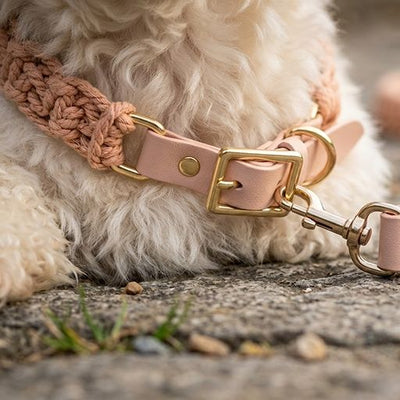
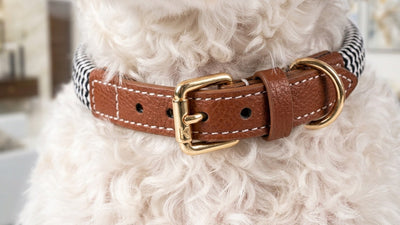
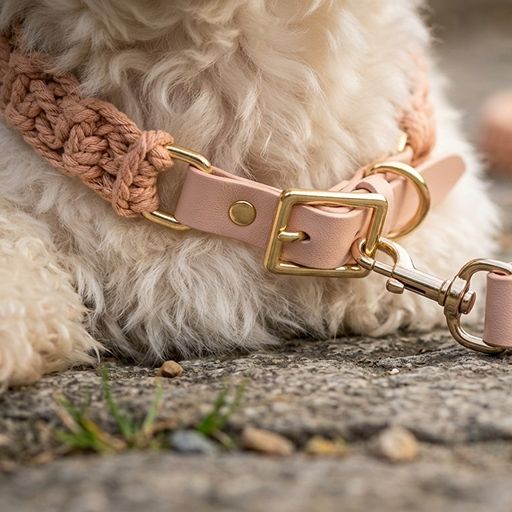
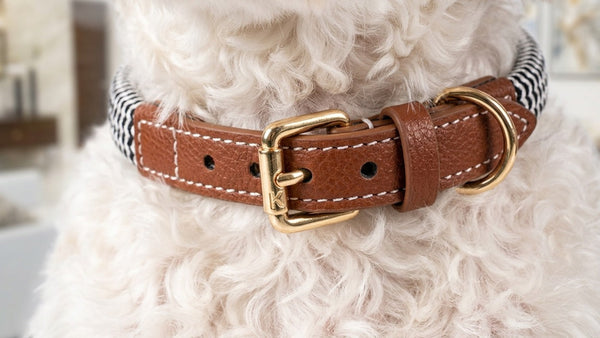
Full-grain leather, properly cared for, lasts decades. Our brass and stainless steel hardware is chosen specifically because it doesn't corrode or plate off. Our rope products are made using construction techniques that maintain integrity over years of use.
We don't build products with planned obsolescence. We build products that are meant to outlast the trend cycles of the pet accessories market and become objects that owners keep for the lifetime of their pets — and beyond.
## Materials
**Leather:** We use vegetable-tanned full-grain leather from Italy. Vegetable tanning uses natural tannins derived from tree bark rather than chromium compounds — the standard in most commercial leather production. Chrome tanning is faster and cheaper, but produces chromium-containing waste that is classified as hazardous in many jurisdictions. Vegetable tanning produces biodegradable leather that, at end of life, returns to the earth rather than persisting in landfill.
**Textiles:** All PAWD textile components are OEKO-TEX Standard 100 certified. This means they've been independently tested and verified to be free from harmful substances — including heavy metals, formaldehyde, pesticides, and allergenic dyes. This certification matters for two reasons: it's better for your pet, and it means our production doesn't introduce those substances into waterways and ecosystems.
**Ceramics:** Our Byron Bay ceramics are made from natural stoneware fired at high temperature. The glaze is lead-free. Stoneware is among the most durable ceramic materials — and at end of life, it's inert and non-toxic.
**Hardware:** We use solid brass and marine-grade stainless steel. Both materials are indefinitely recyclable without quality loss. We specifically avoid plated zinc alloy — which is neither durable nor recyclable in any practical sense.
## Supply Chain
We work with a small number of suppliers, all visited in person, all with long-term relationships. We don't use sourcing agents or intermediary brokers. We know who makes our products, in what conditions, and under what standards.
This isn't just an ethical position — it's a practical one. Short supply chains mean less transportation, less uncertainty, and better quality control. They also mean we can make changes quickly when we need to.
## Packaging
Our packaging is paper-based and recyclable. We use tissue paper rather than plastic wrap for interior packaging. Our mailer boxes are made from recycled content and are themselves recyclable.
We are working towards eliminating the remaining small plastic components in our packaging — including the polybag used in some product packaging for moisture protection during shipping. We haven't solved this yet, and we won't claim to have.
## What We're Still Working On
We want to be honest about the limits of what we currently do.
We don't yet have full carbon accounting for our supply chain. We don't offer a formal take-back or repair program, though we do handle warranty repairs and encourage owners to return products for repair rather than replacement when possible.
These are things we're actively working on. We'll update this page as our practices evolve — not to announce progress we haven't made, but to be accountable for the commitments we've put in writing.
If you have questions about our materials, our supply chain, or our environmental practices, email us at hello@pawd.com.au. We'll answer honestly.