




cat-guides
Cats are not small dogs. Their anatomy, behaviour, and safety requirements are fundamentally different — and their accessories need to reflect that. Here's everything you need to know about fitting and using PAWD cat products safely.
## Cat Collar Safety — The Non-Negotiable
Every PAWD cat collar uses a breakaway safety buckle. This is not optional — it is a critical safety feature that can save your cat's life.
Cats are explorers. They climb, squeeze through gaps, and get their collars caught on branches, fences, and furniture. A standard buckle collar that doesn't release under pressure can result in strangulation or severe injury. Breakaway buckles release when a defined amount of force is applied — typically the equivalent of a cat's body weight.
**Never put a non-breakaway collar on a cat.** We will not sell one.
## How to Fit a Cat Collar
Measure the circumference of your cat's neck at its midpoint. Apply the same two-finger rule as for dogs — you should be able to slide two fingers under the collar comfortably.
Most adult cats fit a single adjustable size. Kittens should not wear collars until they are at least 6 months old and the collar can be checked and adjusted frequently as they grow.
**Check the fit weekly for kittens.** Cats grow quickly and a collar that fitted correctly last week can become dangerously tight within days.
## Cat Harnesses
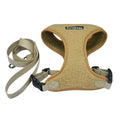
A harness is essential for any cat that you want to walk outdoors. Never walk a cat on a collar lead — the risk of tracheal injury and escape is too high.
PAWD cat harnesses come in XS, S, and M:
- **XS:** Small domestic cats, young cats, under 3kg
- **S:** Average adult cats, 3–5kg
- **M:** Large breeds — Maine Coon, Ragdoll, Norwegian Forest Cat, 5kg+
Measure both the neck and chest (girth) for harness sizing. The chest measurement is primary for most harness styles.
## Introducing a Harness to Your Cat
Most cats need a gradual introduction to harnesses. Expect resistance at first — this is completely normal.
1. Leave the harness near your cat's sleeping area for a few days so they can investigate it
2. Put it on indoors for 5-minute sessions while rewarding with treats
3. Let your cat walk around indoors while wearing it before attaching a lead
4. Only move outdoors once your cat is completely comfortable indoors
Never rush this process. A cat that has a bad early experience with a harness may never accept one.
## Indoor vs Outdoor Cats
If your cat is exclusively indoor, a collar is optional but useful for identification purposes. Ensure it carries an ID tag with your contact details.
If your cat has outdoor access, a collar with ID is strongly recommended — even microchipped cats benefit from visible identification. Use a breakaway collar with a snug but comfortable fit.
## ID Tags for Cats
Cat ID tags should include your phone number. Avoid putting your cat's name on the tag — this makes it easier for strangers to lure them. A simple phone number is enough.